Quantum Electrical Metrology
Measuring electricity using quantum effects
Electrical quantities such as current, voltage and resistance can be measured very accurately using quantum effects. At NPL, this work is used to define and maintain the SI units for electricity. Modern measurements no longer rely on physical objects or older reference devices. Instead, they are based on fixed constants of nature, which makes them more stable, reliable and the same everywhere in the world.
Why is it important?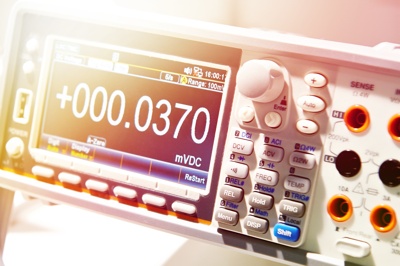
Accurate electrical measurements matter in electronics, manufacturing, communications, energy systems and scientific research. if different manufacturers make electrical components (e.g. for TV or smartphones) with different scales of electrical units, they will not work effectively together. Quantum electrical metrology helps make sure measurements are reproduceable.
How is resistance measured using quantum physics
For resistance, NPL uses the quantum Hall effect. Under the right conditions, some materials produce very precise resistance values that depend only on fundamental constants. These values are so stable that they can be used as a reference for the ohm. NPL has been a leader in using graphene for this work. Graphene makes the effect easier to observe under more practical conditions, helping high-accuracy resistance standards move closer to everyday laboratory use.
How is voltage measured using quantum physics
For voltage, NPL uses the Josephson effect. In special superconducting devices called Josephson junctions, voltage can be linked very precisely to frequency and fundamental constants. Frequency can be measured extremely accurately, giving a very dependable way to realise the volt. This approach is useful not only for fixed voltages but also for highly accurate electrical waveforms, which are important in advanced calibration and measurement systems.
How is current measured using quantum physics?
The ampere, the SI unit of current, is harder to realise directly. NPL studies devices that move electrons one at a time, so a well-defined current can be built from a controlled flow of individual charges. This gives a quantum route to realising the ampere (as it was internationally agreed in 2019). One challenge is that these currents are very small, so NPL also develops ways to compare and scale them accurately for practical use in measurement laboratories.
What is the quantum metrology triangle?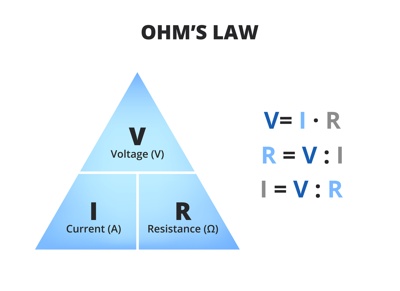
Ohm’s law inks voltage, current and resistance. The quantum metrology triangle is a way of checking that the three relevant quantum standards agree with each other. If they match, scientists can be more confident that standards are accurate and consistent. Quantum electrical metrology uses the rules of quantum physics to create highly reliable standards for resistance, voltage and current. At NPL, this work supports accurate measurements across science and industry, helping electrical units to be more stable, precise and internationally consistent.
Learn more
Contact us
Our research and measurement solutions support innovation and product development. We work with companies to deliver business advantage and commercial success.
Contact our Customer Services team on +44 20 8943 7070